
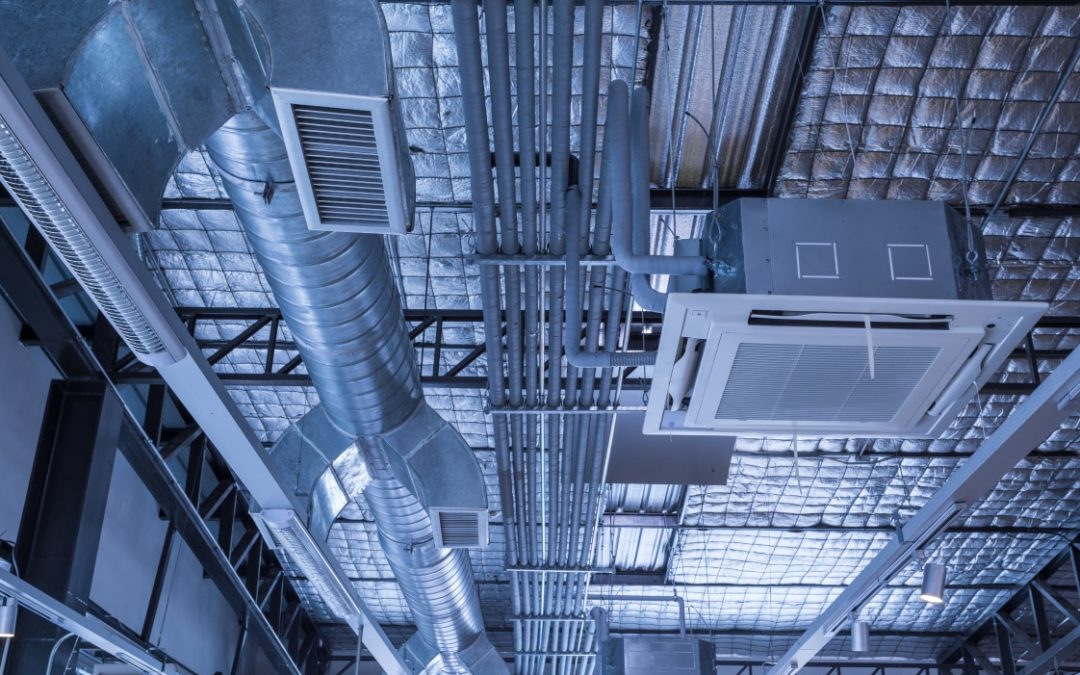
Singapore’s climate makes air conditioning essential. However, constant HVAC use consumes substantial electricity, increasing bills and harming the environment.
Fortunately, efficiency improvements save energy and reduce costs while keeping homes comfortable year-round. Consider tweaking your HVAC as follows.
Key HVAC Concepts:
Understanding core terms assists in HVAC understanding.
- BTUs (British Thermal Units) quantify heat transfer. One BTU raises one pound of water by one degree Fahrenheit.
- HVAC stands for Heating, Ventilation, and Air Conditioning. Although Singaporeans mainly use cooling and ventilation, HVAC systems control indoor temperature and air quality.
- SEER stands for Seasonal Energy Efficiency Ratio. It rates cooling effectiveness over periods. Higher SEER implies greater efficiency.
- AFUE stands for Annual Fuel Utilisation Efficiency. It assesses annual fuel conversion to power. However, for heating, it indicates general performance.
- Upgrade Insulation and Sealing
Insulation benefits Singapore by blocking incoming heat and retaining interior coolness. Caulking and weatherstripping around windows and doors, plus adding attic insulation, lower energy usage.
- Regular Maintenance Is Vital
Dirty air filters restrict airflow, overworking the HVAC system. Replace filters monthly. Annual professional maintenance catches minor issues before expensive repairs. Consider programmable thermostats for customised comfort control.
- Landscape For Passive Cooling
Strategic planting shades structures and reflects the sun, reducing internal temperatures. Tree ventilation also improves air quality with less HVAC support.
Observe your walls, ceilings, windows, and doors. Closing gaps in the building enables your HVAC system to function more productively and maintain ideal indoor temperatures.
Check for insulation gaps that may exist in concealed walls or attic spaces. Adequate insulation prevents unnecessary operational runtime for cooling and heating equipment. Less wear reduces the energy demands and costs to power comfort over the long term.
- Conduct Preventive Care
Without preventative maintenance, HVAC systems inevitably falter under the accumulation of contaminants and aged components over their lifespan. Clogged filters, worn belts, and degraded seals multiply the workload imposed on the aircon unit.
Some low-effort tasks include replacing or rinsing air filters every few months to sustain unrestricted airflow. Be certain that obstructions do not hinder vent circulation. Schedule professional inspections at a minimum of annually.
Technicians identify minor problems before they worsen, forestalling expensive repairs. Cleanliness and tuning prolong equipment lifetime while lowering utility bills.
- Programmable Thermostats
They automatically regulate temperatures according to daily routines. Settings can allow higher or lower temperatures when unoccupied to save energy. Ensure the thermostat preconditions your home shortly before returning for comfort. Newer innovative models connect to mobile devices, giving remote temperature manipulation.
- Inspect Ductwork
The complex maze of air-conducting tubes infiltrating our homes is often overlooked. Escaped cooled air through defects in the ductwork leads to a wasted conditioned atmosphere, compelling heating, ventilation, and air conditioning systems to exert additional effort and, in turn, triggering needless expenditure.
To self-check for breaches, you can feel around duct areas for escaping air and, alternatively, hire specialists to perform comprehensive seal assessments. As clarified above, sealing cracks guarantees proper distribution of a calm atmosphere where needed most.
- Get An Energy Efficient Model
Diagnosing an ageing HVAC arrangement can be tricky, and newer models deliver the market promise of energy efficiency and lower operational costs. Look for systems with a high SEER rating or an Energy Star logo. These designs satisfy rigorous standards for diminished energy use. Future savings on electric bills may offset upfront repair expenses.
HVAC Performance Maximised By Additional Tips:
Strategic Fan Placement: A ceiling-mounted circulating fan eases regulation of low-temperature cool air, allowing higher thermostat settings for comparable comfort.
Block Sun: For residents, the sun tends to overheat interiors at certain times. In such cases, closing curtains will optimize air conditioning operation.
Ventilate Naturally: Air conditioning units should be turned off and windows opened at night when outdoor temperatures fall.
Reduce Internal Loads: Stoves, ovens, and electronics generating heat internally are best used when cooling isn’t as needed.
Why Maintenance Matters?
Singapore’s humid climate places immense strain on air conditioning units, yet efficient cooling need not cost a fortune. Several straightforward strategies can decrease expenses and boost comfort through optimized system performance.
Maintaining consistent indoor temperatures across one’s home brings peace of mind and satisfaction, allowing occupants to relax despite external weather fluctuations. A smoothly operating unit demands less energy over time, preserving the wallet and environment while lengthening equipment lifespan.
When To Call a Professional?
Addressing even minor issues before they worsen safeguards against skyrocketing bills and unnecessary headaches.
Occasional diagnostics uncover minor problems before they multiply, balancing conditions from room to room. Strange sounds or smells signal a need for professional inspection. Hiring experts like tcbongaircon.sg gives optimal repairs or upgrades when DIY efforts fail to remedy problems.
Most local HVAC vendors provide routine maintenance packages, ensuring prompt assistance for those signed up. Automated reminders for checkups relieve worries of neglecting essential system care. With Singapore’s intense heat and moisture, indoor comfort comes at a cost. However, modest adaptations yield significant savings with little effort.
Final Words
Basic sealing, insulation, thermostat programming, and timely servicing match sophisticated overhauls for slashing utility bills. Both purchase price reductions and usage decreases delivered by efficiency gains benefit residents and the Earth in the long run. A few adjustments create a cooler, cosy place while minimising environmental impact. Now is the time to adopt these suggestions.
Frequently Asked Questions (FAQs)
- How often should I check my HVAC system in Singapore?
Ideally, you should check your system every three to six months. Regular checks help catch small issues before they grow.
- What signs show my HVAC system is wasting energy?
If your rooms feel unevenly cooled, your system runs non-stop, or your power bills jump, these are warning signs. It’s best to investigate.
- Are there simple habits to improve efficiency daily?
Yes! Keep doors and windows closed when the aircon is on. Turn off the system when leaving home. Use ceiling fans together with air conditioning for better airflow.
- Does the size of my HVAC system matter?
Absolutely. A unit too small struggles to cool the space. A unit too big cools too fast but wastes energy. Always match the system size to your home’s size.